

The Ultimate Cushioning & Protective Packaging Guide
When shipping items, choosing the right cushioning and protective packaging is essential. Different products require different levels of protection depending on their weight, fragility, shape and destination. Using the wrong packaging can result in damage, returns and unnecessary costs, which is why we decided to put together advice in our protective packaging guide.
⬇️ FREE Downloadable Quick Reference PDF
You can download our handy Cushioning & Protective Packaging Cheat sheet to put up in your packing room. This ensures staff always have a quick reference to make sure packaged items of all different types arrive safely to their destination.
Section 1 Understanding Cushioning & Protective Packaging
What is cushioning packaging?
Cushioning packaging is designed to:
- Absorb shock and vibration
- Prevent movement inside cartons
- Protect surfaces from scratches or abrasion
It is commonly used alongside void fill to stabilise items inside boxes during transport.
Main cushioning categories (all available from Proton Packaging)
Paper-based cushioning | Bubble-based cushioning | Foam-based cushioning | Loose-fill void protection | Structured edge and corner protection | Postal packaging
Section 2 Choosing Packaging by Item Type
1. Fragile items (glass, ceramics, cosmetics)
Risk: Impact damage, cracking, surface scratches
Recommended cushioning packaging:

Related Proton Packaging products:
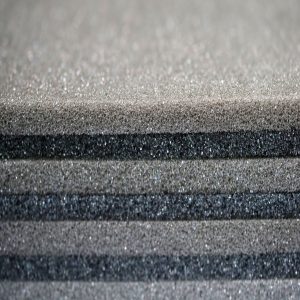
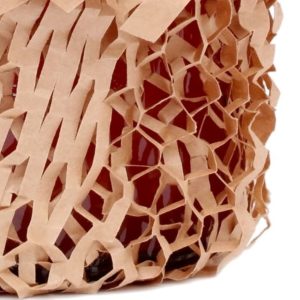
Bubblewrap (small, large) | Foam rolls | Foam sheets | Void fill paper dispensers | Boxes and Cartons
2. Lightweight but delicate items (electronics, components)
Risk: Shock, internal movement, surface damage
Recommended cushioning packaging:



Related products:
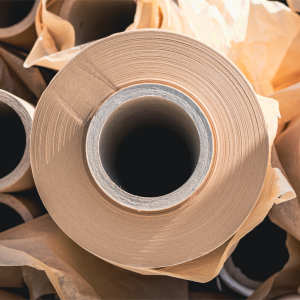
Air pillow void fill | Foam transit pads | Corrugated Kraft paper | Net sleeving | Woodwool | Vermiculite
3. Heavy or rigid items (machinery parts, tools)
Risk: Edge damage, carton failure, impact stress
Recommended cushioning packaging:
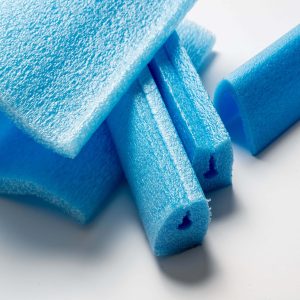

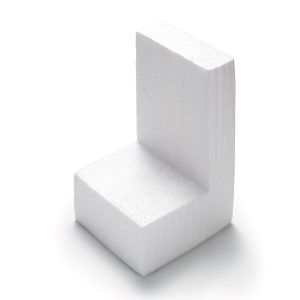


Related products:
Plastic edge and corner protection | ‘O’ profile foam tubing | Large bubble | Cardboard sheeting | Corrugated plastic boards
Section 3 Void Fill vs Wrapping – When to Use Each


Void fill materials
Used to prevent movement inside the box.
Best practice:
Most shipments benefit from both wrapping and void fill.
Section 4 Sustainable Cushioning Options
For businesses looking to reduce environmental impact, Proton Packaging offers several sustainable alternatives:
- Paper void fill – recyclable and biodegradable
- Hivewrap – paper-based alternative to bubblewrap
- Cardboard edge protectors – recyclable and rigid
These options provide effective cushioning while supporting sustainability goals.
Section 5 Common Packaging Mistakes to Avoid
- Using void fill without wrapping fragile items
- Leaving empty space inside cartons
- Over-packing with unnecessary materials
- Using lightweight cushioning for heavy items
Avoiding these mistakes reduces breakages, returns and packaging costs.
Choosing the Right Items for Your Package
Choosing the right cushioning and protective packaging is essential for safe delivery, reduced damage and professional presentation. By matching the packaging type to the item being shipped, you can improve customer satisfaction while keeping packing efficient and cost-effective.
Explore Proton Packaging’s full range of cushioning, void fill and protective packaging solutions to find the right fit for every delivery.
We are always happy to provide specific advice depending on your situation and ensure you have the best cost effective solutions for your business. Why not talk to us directly and we can help ensure you have the best cushioning & protective packaging for delivered items.
FAQs Cushioning & Protective Packaging
What is the difference between cushioning and void fill?
Cushioning packaging protects the item itself by wrapping or padding it, while void fill is used to fill empty space inside the carton to stop items moving during transport.
Which packaging materials are best for fragile items?
Fragile items such as glass and ceramics are best protected using bubblewrap or foam, combined with paper-based void fill to prevent movement inside the box.
What cushioning should be used for electronics and delicate components?
Lightweight but delicate items are typically protected with small bubblewrap or foam roll to absorb shock, with kraft paper void fill used to stabilise the product within outer packaging.
What packaging is suitable for heavy or rigid items?
Heavy or rigid items benefit from structured protection such as foam corner and edge protection, cardboard edge protectors, and additional containment using shrink film or pallet wrap.
When should shrink film be used?
Shrink film is commonly used to secure items tightly, reduce shifting and protect surfaces, particularly for heavy, rigid or grouped products.
What is pallet wrap used for?
Pallet wrap is used to stabilise palletised loads, hold multiple items together and protect goods from movement, dust and handling during transport and storage.
What packaging is best for mixed or irregular shipments?
Mixed or irregular shipments typically require a combination of loose-fill or paper void fill with selective wrapping, ensuring items do not collide or shift during transit.
Are foam sheets suitable for surface protection?
Foam sheets are commonly used to protect flat, polished or painted surfaces from scratches, scuffs and pressure damage during handling and transport.
What are more sustainable cushioning options?
Paper void fill, Hivewrap and cardboard edge protectors offer effective protection while being recyclable and supporting more sustainable packaging practices.
Why is using the correct cushioning important?
Using the correct cushioning and protective packaging helps reduce damage, minimise returns, lower replacement costs and ensure items arrive in good condition.